
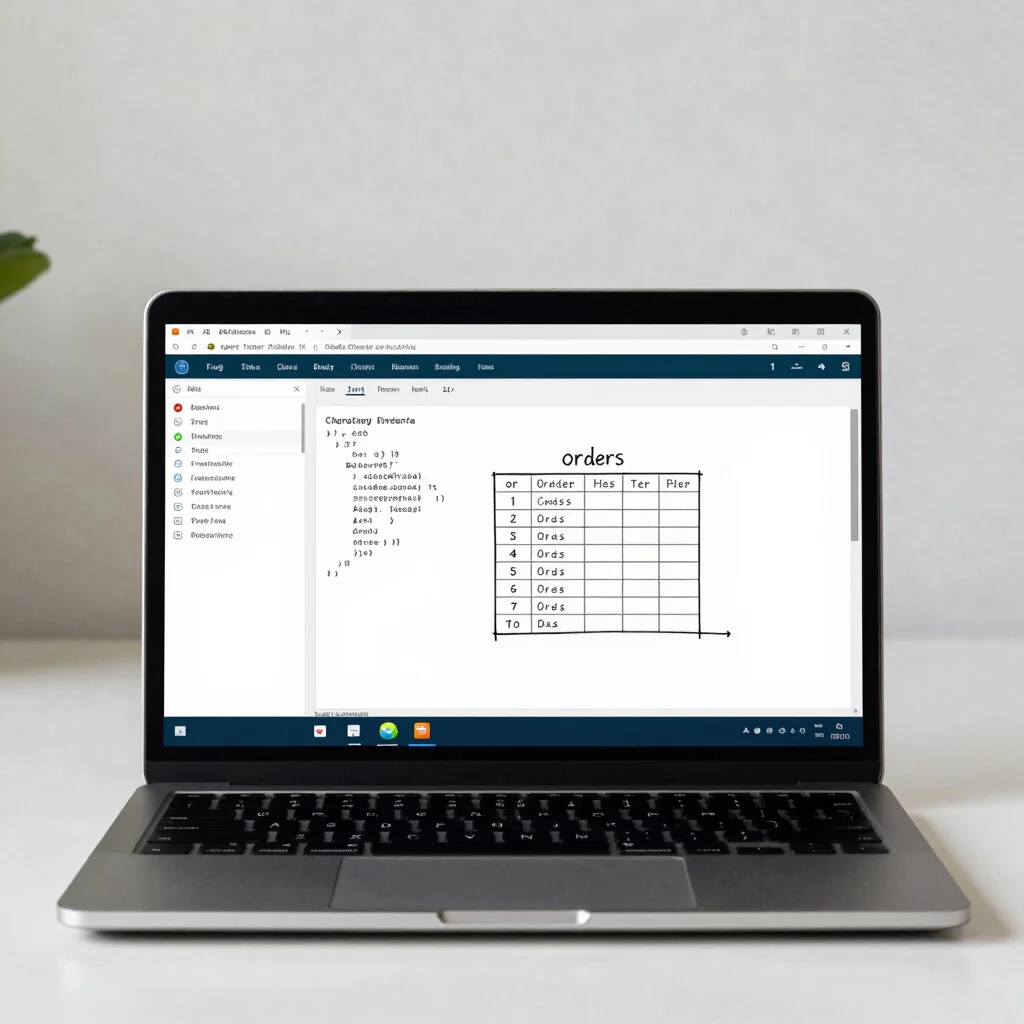
When I practise SQL, the part that slows me down is often not the syntax. It is deciding what I mean by “total orders” or “best-selling item” before writing a query. A small, explicit question makes the SQL easier to check and the result less likely to mislead.
Define the result first
Imagine an orders table with order_date, item, quantity, and status columns. Before querying it, decide whether cancelled orders count and whether you want a total by item or by day. Those choices change the meaning of the answer, even if the query runs without an error.
Build the query in steps
Start by selecting only the columns you need, then use WHERE to filter the rows that match your question. For a count by status, GROUP BY status gives each status its own group; for a quantity total, SUM(quantity) expresses what you are adding. Add one clause at a time and inspect a few rows before trusting the final result.
Check what might be missing
Null values, repeated rows, and inconsistent status labels can all affect an aggregate. Compare the number of rows before and after a filter, and ask whether the table represents individual items or whole orders. Keep the question and any assumptions next to the query so another learner can understand what the result does—and does not—say.


Leave a Reply